

How Does Robotics Work? A Guide to the Machines That Will Change the World
Introduction
If you haven’t been living under a rock, you’ve probably seen and heard of the recent rapid increase of the field of robotics and its technology. Robots are no longer confined to science fiction – they’re already here, and doing things people of the past could only imagine in books, TV, and movies.
Currently, somewhere, robots are cleaning floors, assisting in hospitals, exploring Mars, delivering food, working in factories and in construction, building the cars we drive, and, in some cases, even driving our cars. How is this possible, though? What actually makes a robot work?
In the following, we’ll investigate the answers to these questions. We’ll break down the fascinating world of robotics — how they sense, think, and move — and explore how they’re shaping the future of technology and human life. First, we need to know what, exactly, a robot really is.
🤖 What Is a Robot, Really?
If you were to look up the definition of the robot, you’d probably find some explanation stating that a robot is a machine that can perform tasks automatically, or that they’re capable of carrying out complex tasks automatically. At it’s core, a robot is a machine that can sense, think, and act — usually with some level of independence.
What sets a robot from a regular machine is that a machine (like an elevator or a washing machine) does exactly what it’s told. A robot, however, can make decisions on its own — like stopping when something is in its way or changing course on its own when needing to choose a new path.
- A machine does exactly what it’s told.
- A robot makes decisions on its own.
There’s more to it than these basic explanations and comparisons, but to better understand the true difference of what makes a robot stand out in comparison to other basic machines are its building blocks — the things that make a robot, a robot.
🧩 The Building Blocks of a Robot
Every robot, no matter how advanced, is made up of a few key components working together to make up what, in definition, a robot is.
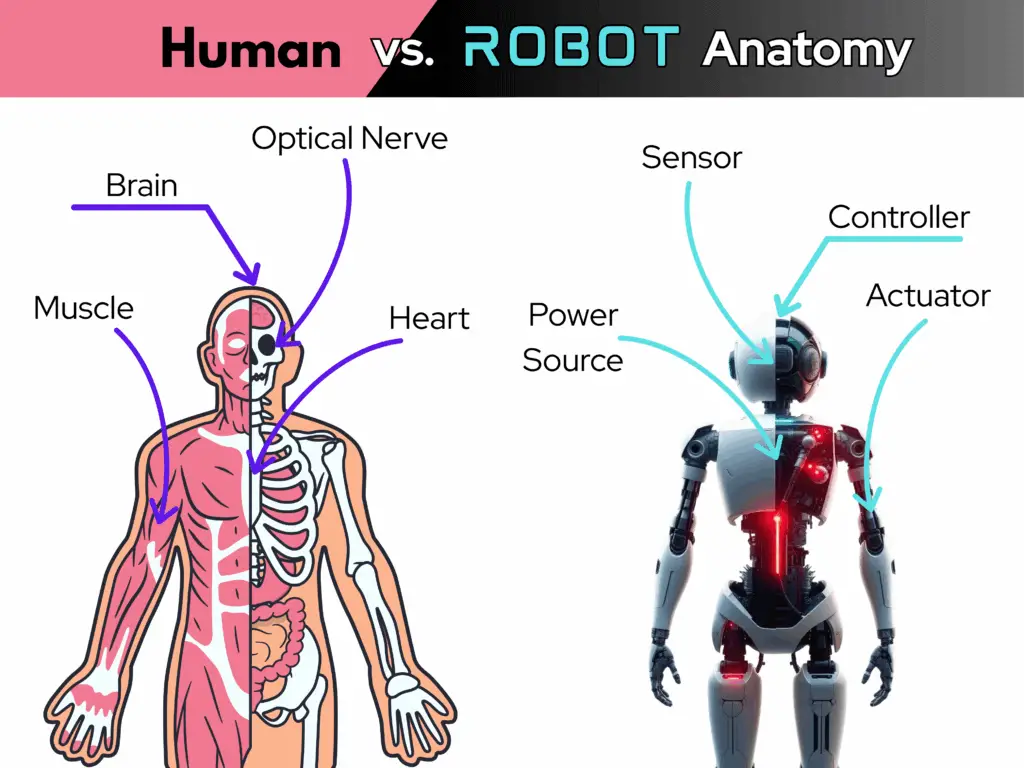
You may think of a robot being structured almost like a human or some animal — its components being analogous to certain body parts, such as a musculoskeletal system, a nervous system, a brain, and a heart. We’ll delve deeper into this and divide these components into the body or structure of the robot, its sensors, the brain or what controls the robot, the robot’s muscles or actuators, and the robot’s power source.
⚙️ 1. The Body (Structure)
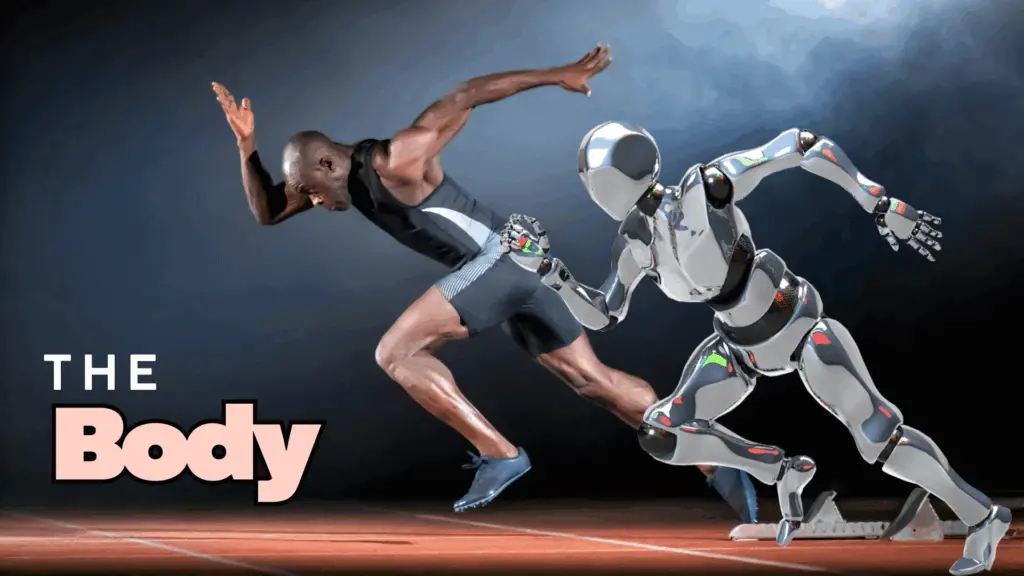
A human body is made up of things like feet and hands, legs and arms, a torso, neck, and head. The human body is made of organic material — flesh and bones — and its parts give it structure and strength to move about. Each human body is similarly engineered, either by divine or by evolutionary processes, to perform the duties a human body is designed to do. The human body can bend, stoop, squat, walk, run, flip, and do all sorts of wonderful tasks.
The robot’s body is considered its frame — the part that gives it shape and strength. Unlike the flesh and bones of a human body, the make-up of a robot’s “body” usually consists of materials like metal, plastic, or even flexible materials, depending on the job it’s built for. Robots are engineered for specific tasks and duties – not all are the same, and can be built totally different than another. Robots can be built to perform almost any task that humans can do, and in some instances, do better and more efficiently than a human can.
👁️ 2. The Sensors
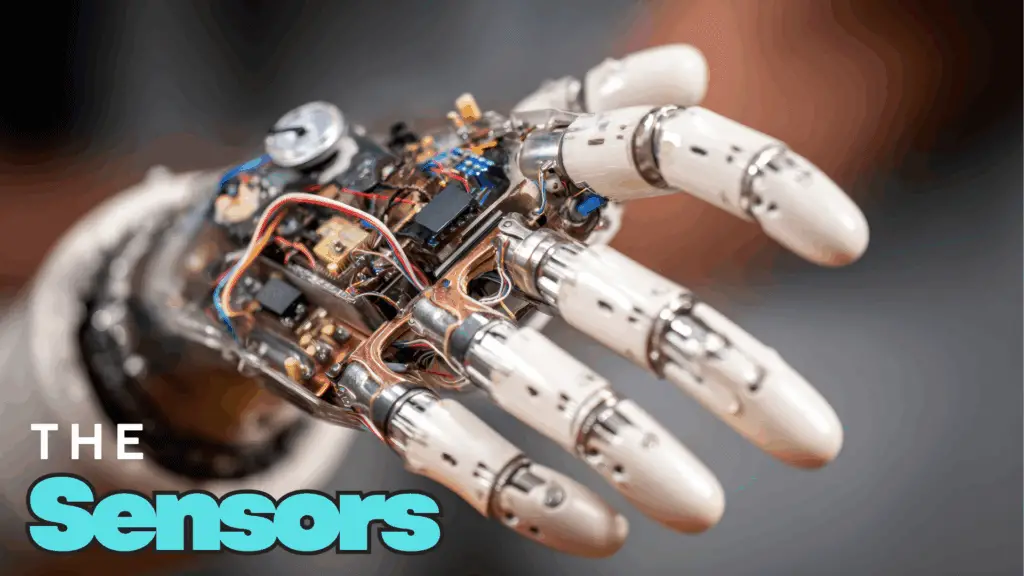
We humans have the ability to sense the world around us by using our abilities of sight, smell, touch, taste, and hearing. Each of our senses are naturally built within us, ready to explore our surroundings, right from birth. The majority of us are equipped with all these senses to be fully immersed in the world we live in.
A human senses the world and gathers information about their world by:
- Touch (hands and fingers)
- Sight (eyes)
- Smell (nose)
- Taste (mouth and tongue)
- Hearing (ears)
Robots have the ability to sense the world around them as well, but the senses of a robot are limited to how they are designed for what they are intended to be used for. A robot may be limited in the scope of what it’s able to sense in its surroundings, compared to a human, or it may be fully equipped with senses that far surpass a human’s capability.
Sensors are how robots “see” and “feel” the world. They gather information like:
- Distance (ultrasonic or infrared sensors)
- Touch (thermistor or pressure sensors)
- Light and color (cameras and vision sensors)
- Orientation and balance (gyroscopes and accelerometers)
A human without sight is blind — a robot without sensors, is completely blind.
🧠 3. The Brain (Controller)
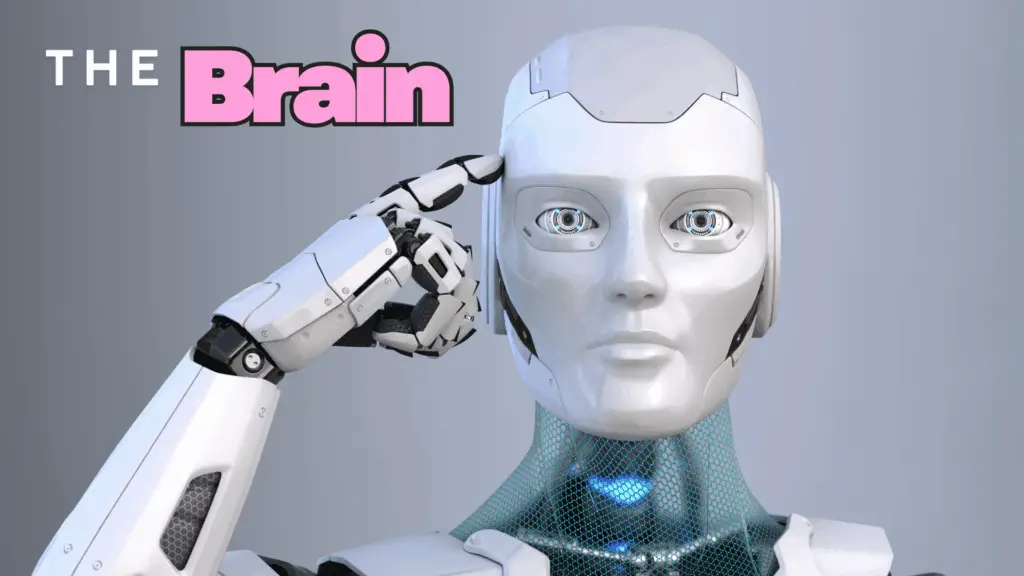
A human’s brain is where he or she does their thinking. The brain also controls all bodily functions and procedures a body must go through to function and survive. It literally is the command center for the entire human body. The human brain runs all biological programming of a human “in the background”, much like the BIOS of a computer’s operating system does to keep your computer running properly.
A robot’s brain is what is considered as the controller. This is where all the thinking of a robot occurs. A microcontroller or embedded computer of a robot takes data from the sensors, processes it, and decides what to do next — much like the human brain processes information from the body’s sensors, such as the eyes of a person, to decipher what they’re looking at. Is that a dog or cat, donkey or horse, elephant or bus?
Think of the robot’s controller as a tiny nervous system that connects everything together.
💪 4. The Muscles (Actuators)
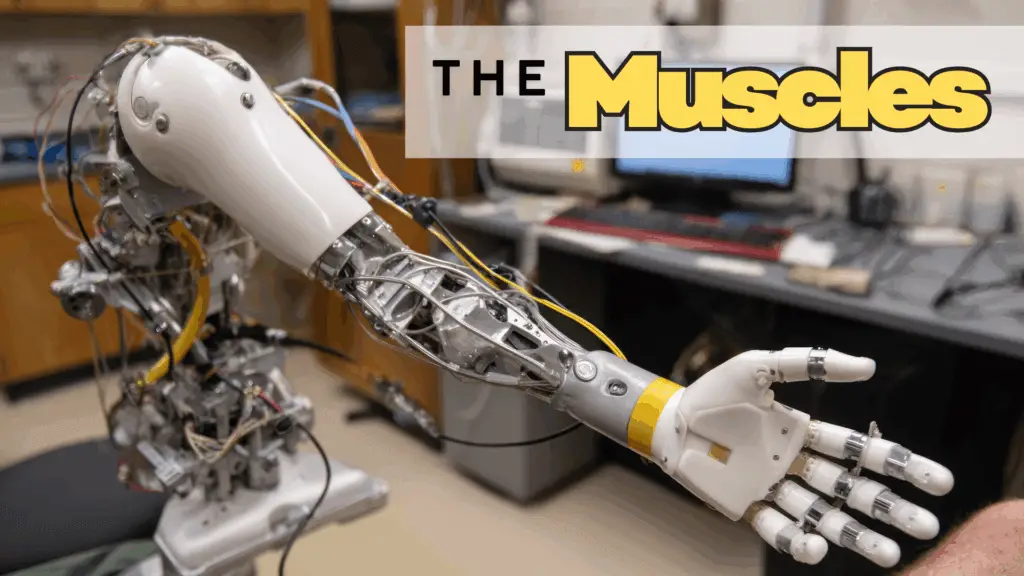
The muscles of the human body are what give it structure and strength to perform the feats of daily movements we all go through daily. I like to think of the muscles and the blood vessels within them as hydraulics of a machine. Each push, pull, contraction, or extension of the muscles are controlled by the brain firing electrical impulses within the muscle cells and the heart pumping blood through the vessels creating hydraulic-like actuation to move an arm to curl a dumbbell, or to move the legs of a runner.
Actuators are devices that make things move and are what could be considered as the “muscles” of a robot. Types of actuators are:
- motors
- pistons
- servos
- hydraulics
When the brain of a robot (the controller) sends a command, the robot’s actuators convert energy into motion, giving it the ability to turn its wheels to move about a warehouse, or to use a claw (end effector) to grab a beverage off a table.
🔋 5. The Power Source
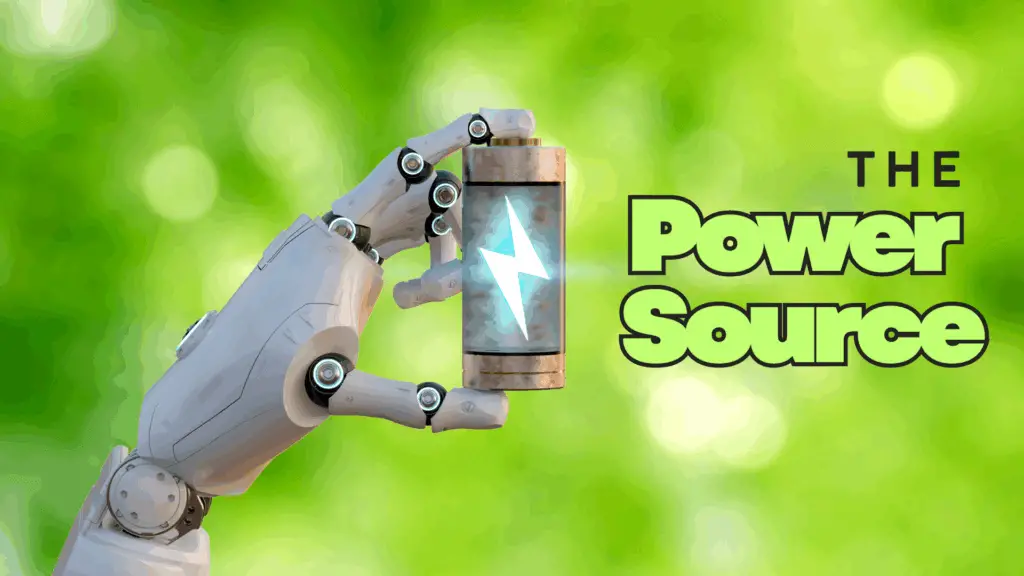
What powers us and keeps the blood flowing is the heart. The heart can be thought of as the engine of our anatomy, pumping life throughout the machine that is the human body. The heart pumps our blood and delivers the oxygen and nutrients we need to our tissues, while removing waste products like carbon dioxide — it’s a major part of providing us the energy we need to maintain circulation and is vital to life.
Robots need energy to operate as well. It’s power source is often a battery; others rely on a plug for wall power, some use solar or fuel cells as their power source. A robot’s “blood” is the electrons that flow through its copper veins (wires), and those electrons are “pumped” via the voltage potential across its power source. The power source, such as a battery, is vital to life of the robot.
🔁 How Robots Think and Move
To date, a robot doesn’t really have the capability of thinking like a human does. It can process information based on parameters it’s given and use a device, like a microcontroller, to help process information and make decisions. Those decisions might tell it to move in a specific direction or maneuver in a specific way, based on what it processes.
All robots follow a loop that’s called the Sense-Think-Act cycle, and that cycle or loop is performed as follows:
- Sense: Gather information from sensors.
- Think: Process that information and decide what to do.
- Act: Act upon that decision – move or respond based on that decision.
This process or loop is repeated – over and over again — and is adjusted constantly. You’ve probably seen this in action many times, if you own a robot vacuum. If you’ve ever observed a robot vacuum, you’ve seen it:
- sense a wall,
- think, then make a turn,
- act by changing its direction, and continue this process as it cleans the floor.
That’s robotics in motion — a continuous conversation between software and hardware — gathering information (data) of its surroundings using its senses (sensors), processing that data and deciding what to do (thinking), then acting on the decision it has made, based on that data.
🤖 Types of Robots Seen in the World Today
Just like people, there are all types and kinds of robots — each with their own look, style, characteristics, and skill sets. Robots come in all shapes and sizes, and are used in all sorts of industries across the planet — even in space! Let’s take a look at just a few types of robots you might see in the world, today.
🏭 Industrial Robots
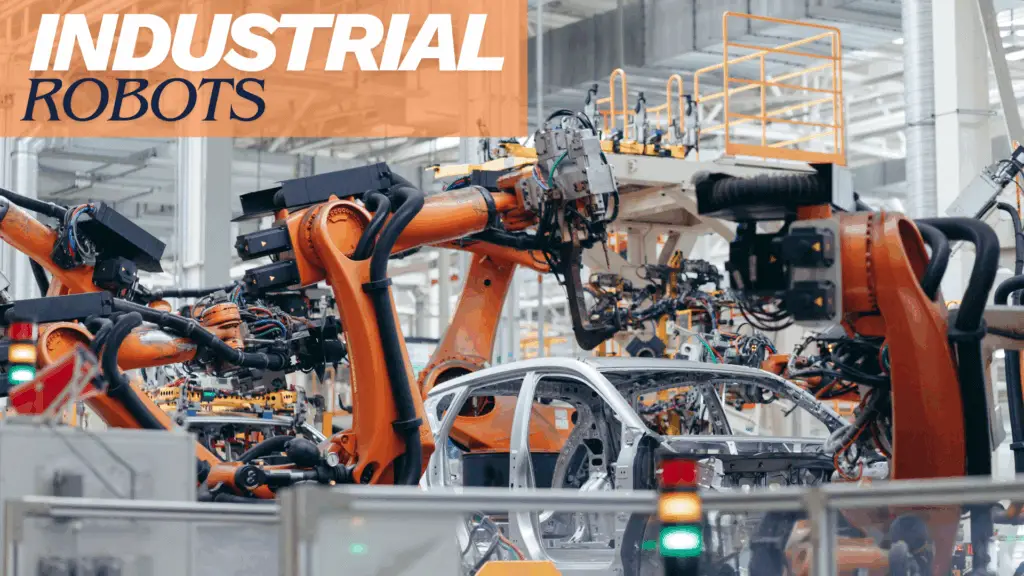
Industrial robots are robots that can be found in factories, and are equipped with specialized tools that help them do the job they’re designed to do. Industrial robots are commonly designed as large, powerful arms equipped with a special end effector that allow them to either weld, paint, or grasp materials to be assembled. They’re fast, strong, and precise.
🚚 Mobile Robots
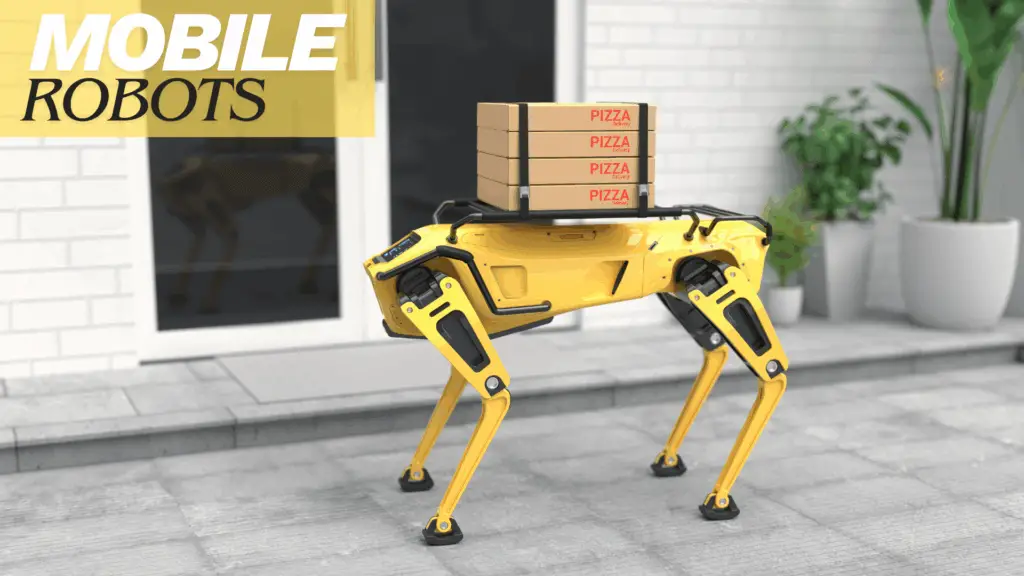
Mobile robots are robots that move through designated spaces, such as a warehouse, using wheels, tracks, or legs. Think of warehouse bots, delivery robots, or even Mars rovers. The most common type of mobility for these types of robots has been with using wheels or tracks, but as of recent time, mobile robots are beginning to have mobility with the use of legs and feet — two legs making them more humanoid or human-like, or even dog-like with the use of four legs!
🧍♂️Humanoid Robots
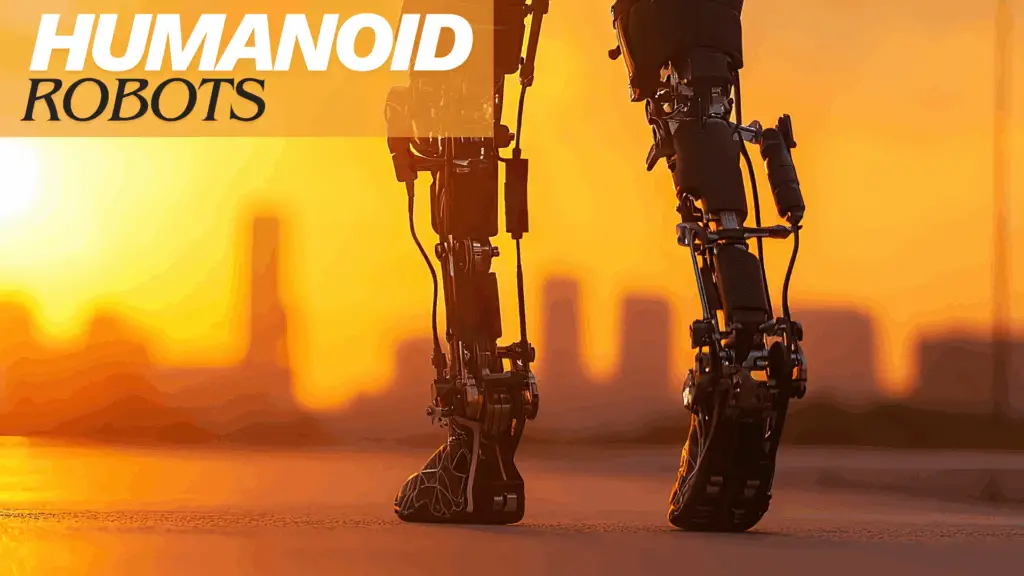
Humanoid robots are designed to look and move like humans. They can walk, run, interact naturally, and even dance! Humanoid robots are very complex and have a lot in their programming to control their many sensors for balancing and moving. They’re very fascinating and make you think of how complex the human body is to do what we do on a daily basis so naturally.
🧹 Service & Companion Robots
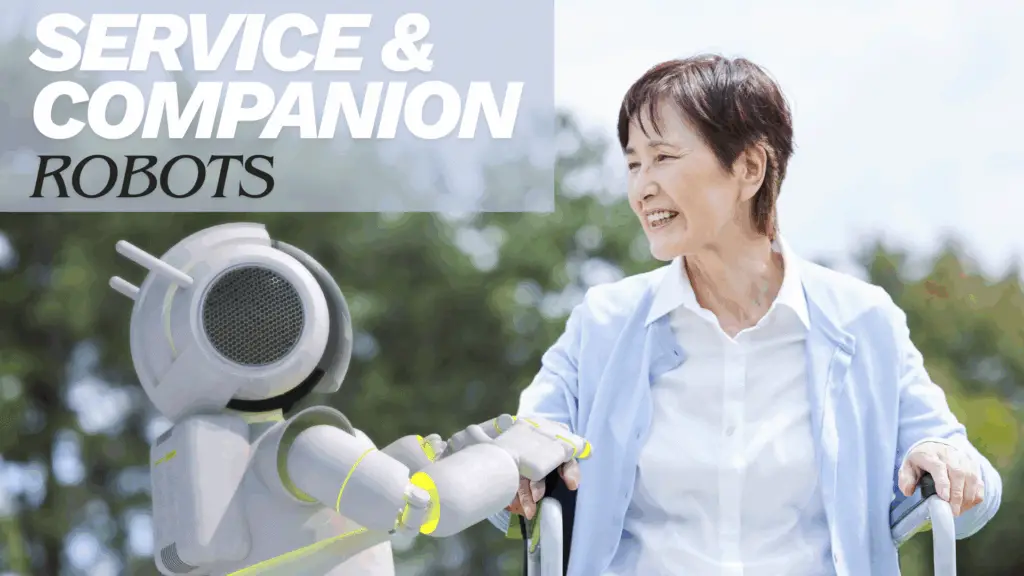
Service and companion robots are specialized to take care of daily chores or tend to people who need care and assistance. Many of us either have or know someone who has a vacuum robot that vacuums the floors at home. There are robots designed to help assist people who have disabilities or who are elderly and cannot do certain tasks on their own. Service and companion robots are specifically built to help people directly in homes, hospitals, and public spaces.
🛠️ Specialized Robots
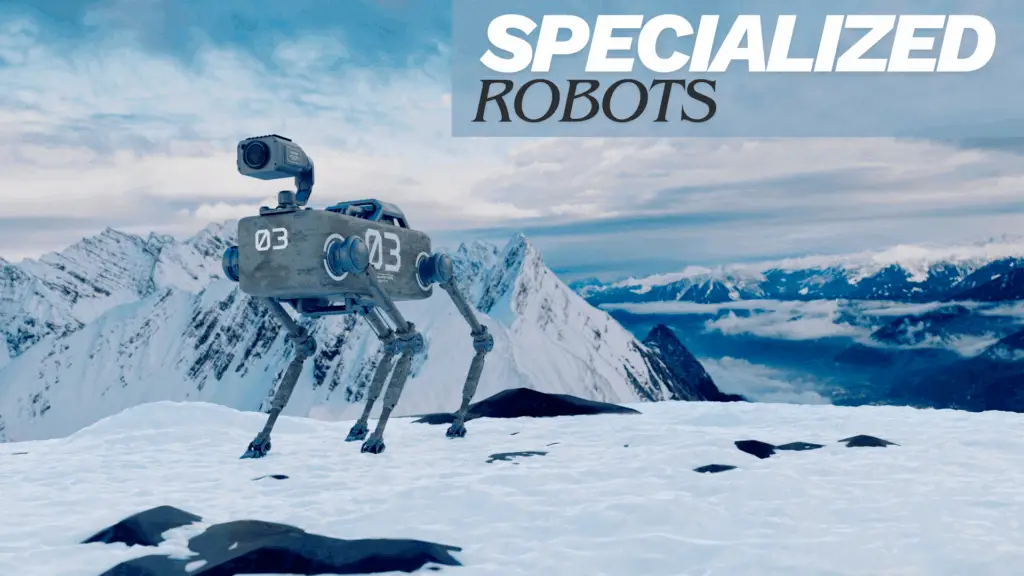
Specialized robots are designed and built for very specific tasks – often tasks that are considered risky, or even dangerous for humans to perform. These robots are built tough to be able to handle the extreme conditions or hazards of the job at hand. They are used in place of humans to handle extreme environments, such as for underwater inspection — they’re used for specialized environments, such as for agricultural use or for surgical procedures – and they’re used for extreme conditions or hazardous situations, such as for explosives disposal or search and rescue operations in treacherous terrain.
👨🏭 Humans + Robots = Teamwork
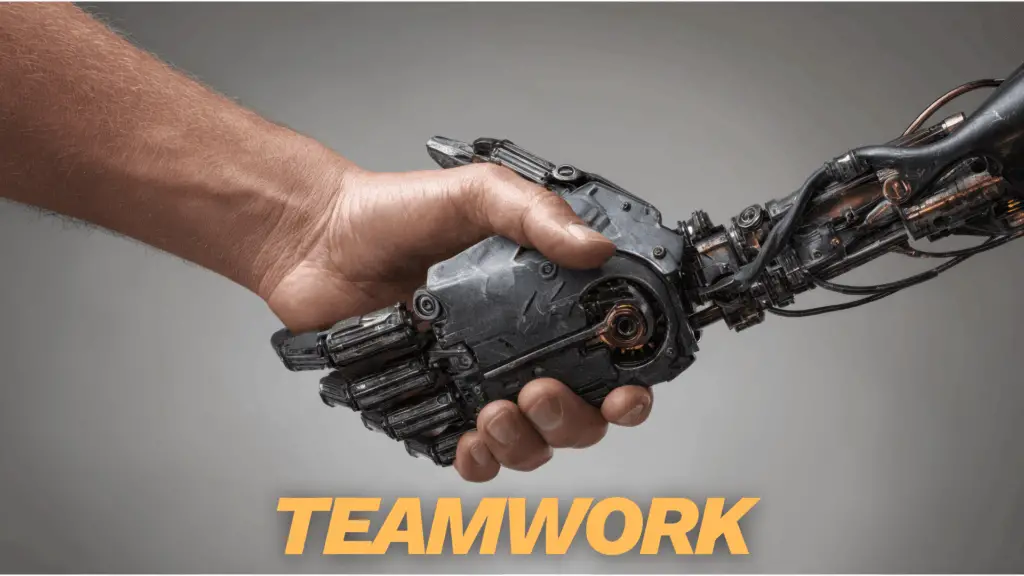
For years we’ve heard the debate of whether robots were going to take over our positions or places of work. Some of the dividing arguments have been for either:
- YES: Robots will replace us in jobs across many, if not all sectors in the job market. They are faster, smarter, better at performing the work — especially mundane tasks — and they do not have a need to eat, sleep, or ask for pay raises and sick days.
- NO: Robots cannot perform tasks like humans can — especially specialized crafts and skills — and do not have the ability to connect emotionally with humans, who they serve. They may also be a danger to us. Who’s controlling them and keeping them in line?
No matter the side of this great debate, we, as humans, should know and be aware that the times are changing and will continue to change — whether we agree or disagree with it — and that robots are coming. We should not allow ourselves to fear the coming situation though, but embrace and prepare ourselves to coexist with the ever changing technology.
Today’s robots aren’t replacing humans — they’re working with us. “Cobots”, or collaborative robots, share workspaces with people and do it safely. They use sensors to detect human presence and slow down or stop when needed. They are no where near having the capabilities as seen in movies and TV, so as of now, they’re still not as capable as humans at performing most tasks.
Tomorrow’s robots, on the other hand, will most likely perform like we can only imagine now. One day our world will be like living in a movie, in a futuristic land of robots in every town and city, on every corner of every street. It’s up to us though, to set the standards for how robots behave, interact, and perform their duties. We create them, therefore we can create new things to do and perform, while we have the robots do what we, as humans, use to do.
The arguments for or against robotics are similar to what was heard about computers in the 1970s and 80s, or the coming of the internet in the 1990s. Think of it like this — back in the day, humans used horses and carriages to travel from town-to-town. We used mules or bovine to plow our fields to plant and grow food. For thousands of years we simply walked to our destination.
At some point trains came along, which took away the need to pack up the family on the wagon to visit relatives in the neighboring town or across the country. Automobiles eventually took away the need to ride horses to go to your neighbor or to town. Industry, especially agricultural industry, eventually took away the need for us to all be farmers to grow or raise our own food – someone else did it for us, with new technology, and we reaped the reward of having food readily available to us in the market.
When new technology came along throughout human history, people became very verbal and fought against it, yet the new technology came along and progressed anyway.
We can think of robots as being this century’s new technology in our age, where we can have them do for us what we used to do, as we create new things and ideas to continue our legacy down the line. We can coexist, or we can fight tooth-and-nail until we’re left behind in the times.
Humans and robots can work together as a team, for the greater good, as we’ve always done with new technology. Humans handle the creativity and problem-solving; robots handle the repetitive or risky parts. Together, they make processes faster, safer, and smarter.
🧬 The AI Revolution in Robotics
Robots of today have come a long way from their predecessors. Early robots could only follow pre-programmed instructions — meaning if something went wrong, and its programmer (the human) made a mistake in the code, something unexpected happened and the robot froze.
Now, Artificial Intelligence (AI) is changing the game. With the use of AI, robotics has become more efficient and more incredible with what a robot can do, and with how more “intelligent” they have become.
With AI, robots can:
- Recognize objects and people.
- Learn from experience.
- Adapt to new environments.
- Communicate naturally with humans.
For example, a warehouse robot might “learn” the most efficient route or adjust its grip based on the weight of a package. AI allows for these abilities to happen almost naturally for robots, making them more capable of doing what roboticists have been striving for them to do for decades!
AI gives robots the power to reason — turning them from simple machines into true partners.
🚀 The Future of Robotics
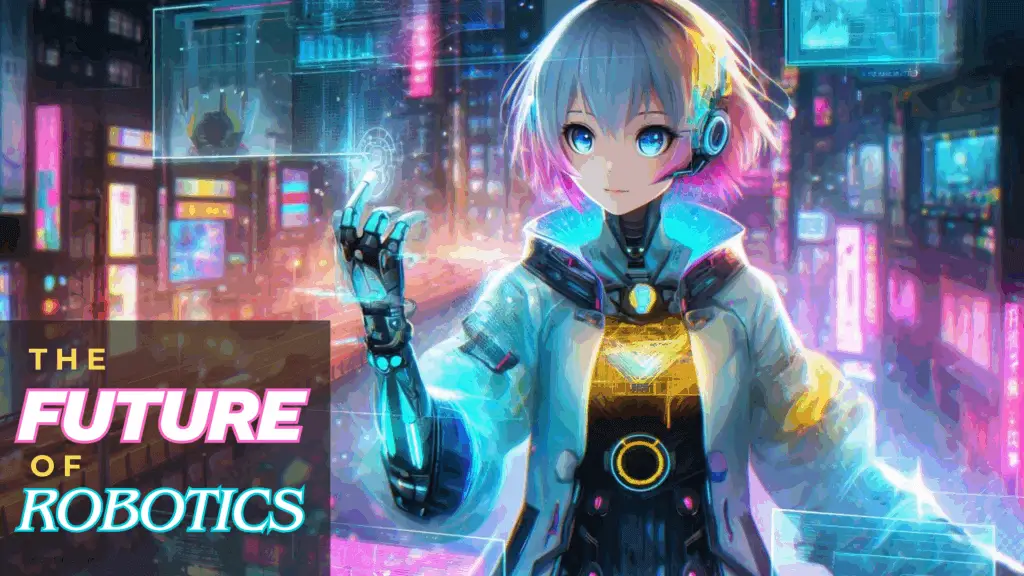
The idea of robotics has been around for millennia and we, as humans, have been curious of the idea of automated machines walking, talking, and “living” among us ever since.
- The ancient Greeks discussed the mechanical creations of the Greek god Hephaestus and the automata described by philosophers like Archytas of Tarentum.
- The development of mechanical devices and automata in the Renaissance by Leonardo da Vinci.
- The word “robot” was coined by Czech playwright Karel Čapek in his 1920 play “R.U.R.” (Rossum’s Universal Robots).

- The Three Laws of Robotics described in the short story “Runaround” and included in the I, Robot, collection of books by the prolific writer Isaac Asimov, that remains as a the prerequisites for development of robotics today:
- A robot may not injure a human being or, through inaction, allow a human being to come to harm.
- A robot must obey the orders given it by human beings except where such orders would conflict with the First Law.
- A robot must protect its own existence as long as such protection does not conflict with the First or Second Law.

The future of robotics is still currently unknown, but the future won’t be filled with robot takeovers (we hope) — it’ll be filled with robot helpers (again, we hope). They are already helping us now, whether we realize it or not. Here’s some of what’s already happening:
- 🌾 Agricultural robots that plant and harvest crops.
- 🏥 Medical robots that assist in surgery or rehabilitation.
- 🌌 Exploration robots roaming Mars and the deep ocean.
- 🏡 Home robots that cook, clean, or assist with daily living.
As technology improves — smaller sensors, better batteries, and smarter AI — robots will become cheaper, safer, and more capable. Robots will eventually be a part of our every day lives. In a few years, having a household robot might be as normal as owning a smartphone. One day, in some instances, they may be family to us, just as the wolf was bread into domesticated dog, the machine is being crafted into a being that will some day, be part of us.
🤖 Why It Matters
As stated in our About page, Motbots’s mission is to empower individuals interested in the exciting fields of electronics and robotics. Understanding robotics isn’t just for engineers — it’s for everyone.
Robots are shaping how we work, travel, learn, and even socialize. Knowing how they function helps us adapt, make better decisions, and appreciate the technology that makes life easier.
At its heart, robotics is about human creativity meeting machine capability — and that partnership is what drives progress forward.
💬 Final Thoughts
So, how does robotics work? It’s a beautiful blend of sensing, thinking, and acting, powered by clever design and intelligent programming. Every time you see a robot move, it’s following the same simple pattern:
See the world → Make a decision → Take action.
And the more we understand that pattern, the better we can shape a future where humans and robots thrive — side by side.
If you’ve found the information presented on this page helpful, please leave us a comment of your experience in the comments section below. If you’re interested in more from us, and want to be updated on new content, sign up for our Newsletter, so that you can be one of the first to know about what’s going on, what’s being discussed, and what new hands-on projects are being shared here at Motbots!

If you really liked this content, buy us a coffee to keep us awake to provide you more content and projects! Another way to support us, and keep yourself awake is by purchasing our branded Morning Motivator Coffee. Keep yourself awake and motivated with every cup, every morning! Thank you!